Phoenix Peptide Stack
Published by Peptara Labs · Updated · How we research and check our pages
Peptara Labs sells the Phoenix peptide stack as one kit: 6 vials of MOTS-c, BPC-157 and Glutathione for $374, 55 percent under their $836 combined catalog price. It is the one named kit in which every compound comes as a pair of vials.
| Test | Result | Verdict |
|---|---|---|
| Purity, HPLC | 99.02% | PASS |
| Identity, LC-MS | 2174.6 Da | PASS |
| Sterility | No growth | PASS |
| Endotoxin | Within limit | PASS |
| Heavy metals + fentanyl | Not detected | PASS |
Research use only. The Phoenix page reports what published research describes and sets no protocol or dose.
6
vials in the stack
3
research compounds
55%
off combined retail
COAs
published, BPC-157 not published
Metabolism & repair research
What comes in the Phoenix stack
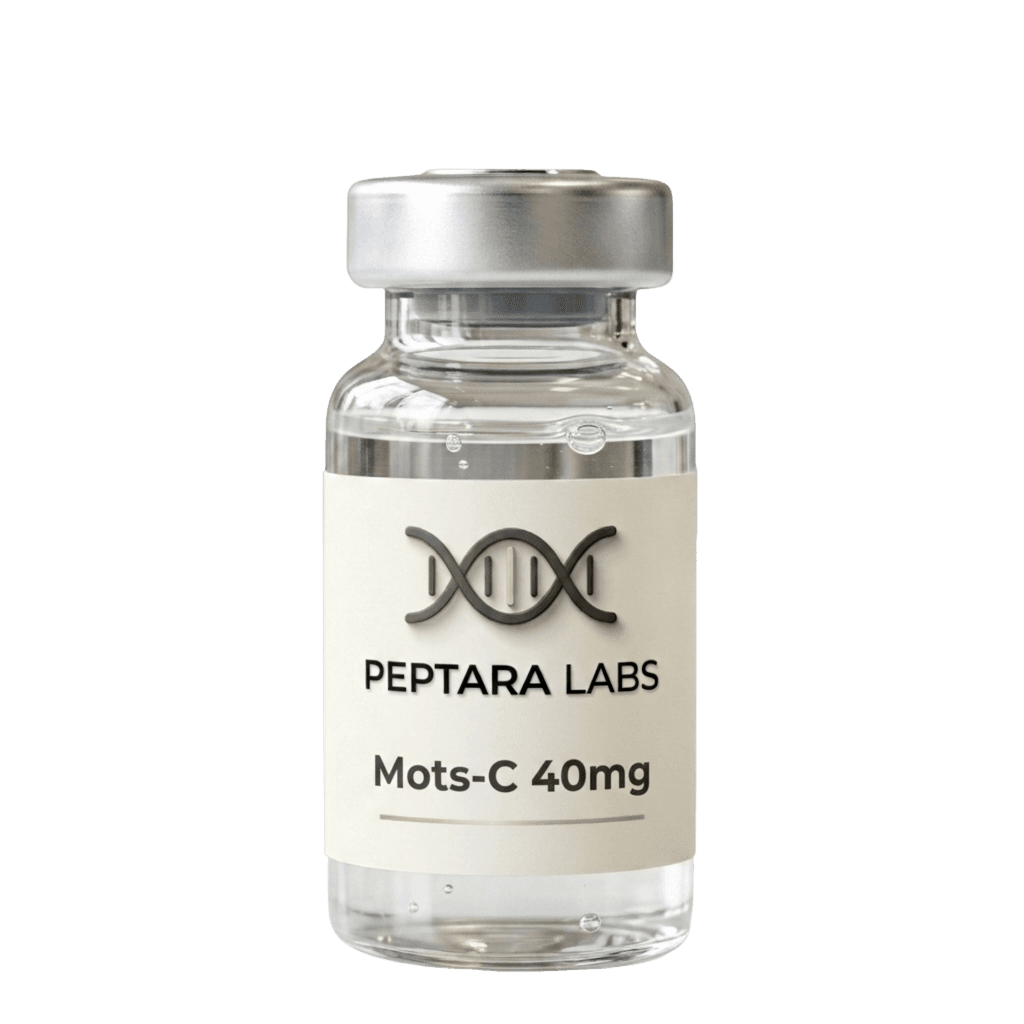
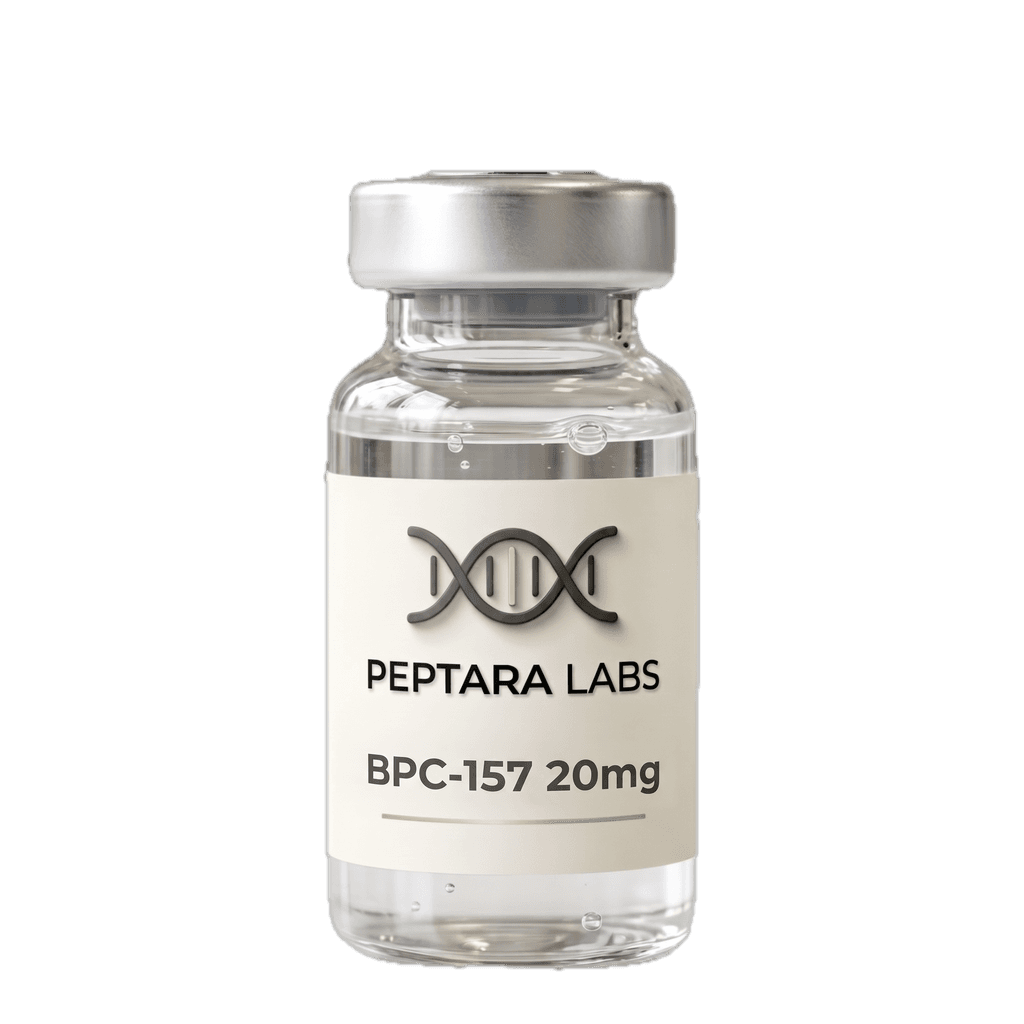
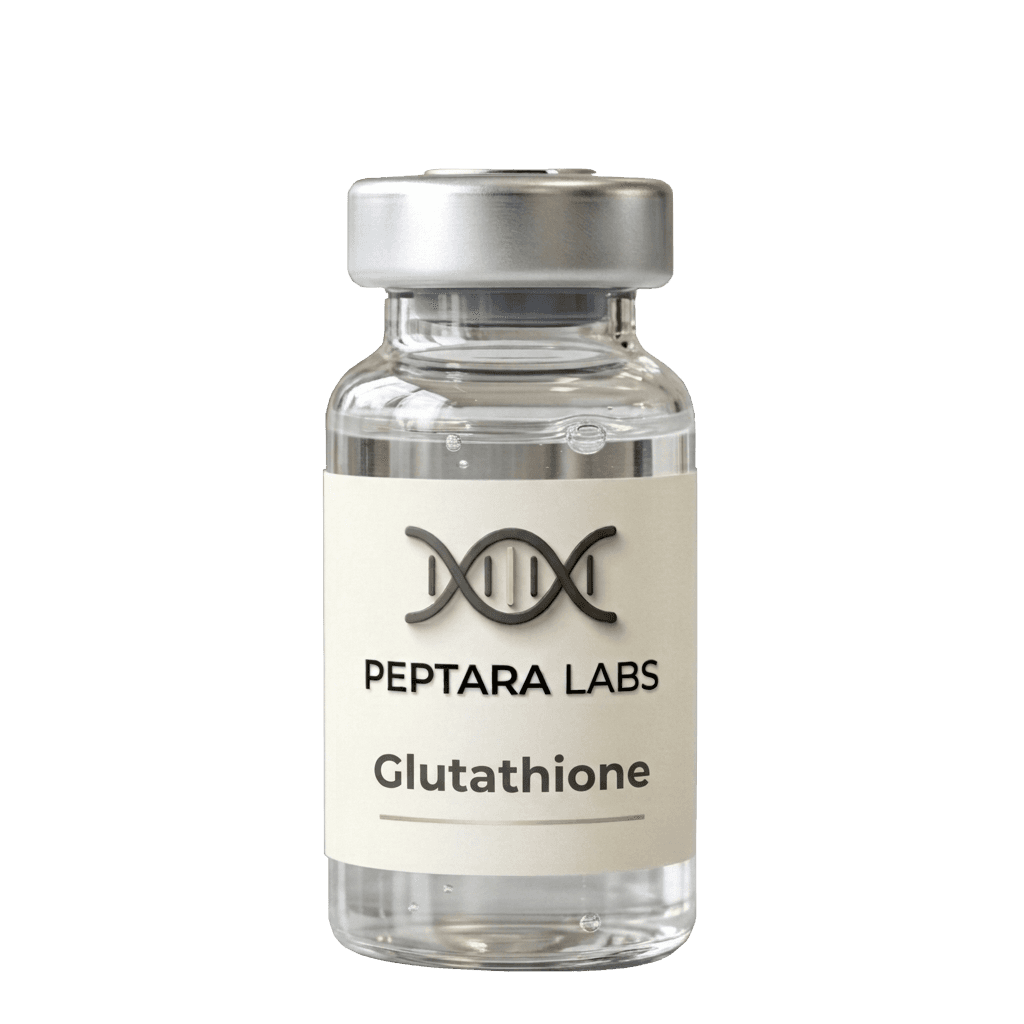
Phoenix holds six vials as three matched pairs: two of MOTS-c, two of BPC-157 and two of glutathione. Vial sizes for the Phoenix compounds are on their own pages; this page lists vial counts only.
| Compound | Vials | Research class | Certificate | Regular retail |
|---|---|---|---|---|
| MOTS-c | 2 | Mitochondrial peptide | Lot MTS-260414-A · 99.02% HPLC | 2 × $185 = $370 |
| BPC-157 | 2 | Tissue repair | Not published | 2 × $138 = $276 |
| Glutathione | 2 | Antioxidant tripeptide | Lot GTH-20260607-18 · 97.12% HPLC | 2 × $95 = $190 |
- Bought separately at retail
- $836
- Phoenix stack price
- $374
- Average per vial in the stack
- $62.33
- Saving
- $462 · 55% off retail
What to check before you buy the Phoenix stack
Check that the lot printed on a Phoenix vial matches a published certificate: the table above links the released lots to their certificate of analysis. How to read a Phoenix certificate line by line is in the guide to reading a COA, and the reconstitution calculator works out concentration from each vial's own label.
Same-day within 40 km of Saigon
1-3 days nationwide in Vietnam. 5 to 10 business days worldwide.
Guaranteed delivery or full refund
If an order does not arrive, it is refunded in full. 60-day money back guarantee.
Third-party lab tested
Every released batch has an HPLC purity and identity certificate, published.
100+
Stack orders
Why these compounds
Why Phoenix pairs MOTS-c with BPC-157 and glutathione
Phoenix puts MOTS-c, a mitochondrial-derived peptide studied in metabolic research, next to two supporting records from other fields. MOTS-c supplies the metabolic record, from mouse models published in Cell Metabolism. BPC-157 adds a gut and tissue-repair record from rat models, and glutathione adds an antioxidant record with a randomized human skin study.
MOTS-c · Mitochondrial peptide
The anchor of Phoenix, two of its six vials: a peptide encoded in mitochondrial DNA rather than in the cell nucleus.
Studied in: Metabolic homeostasis, obesity and insulin resistance in mouse models (Lee et al., 2015).
Sources: Lee C, et al (2015), Cell Metabolism
MOTS-c price per vial→BPC-157 · Tissue repair
In Phoenix for its gut record: BPC-157 is a stable gastric pentadecapeptide, and the rat work cited for it here is in colitis models.
Studied in: Rat models of colitis and of ischemia and reperfusion (Sikiric et al., 2018).
Sources: Sikiric P, et al (2018), World Journal of Gastroenterology
BPC-157 price per vial→Glutathione · Antioxidant tripeptide
The antioxidant pair in Phoenix, and the only Phoenix compound with randomized human data.
Studied in: A randomized, double-blind, placebo-controlled oral study with skin-lightening endpoints (Arjinpathana and Asawanonda, 2012).
Sources: Arjinpathana N, Asawanonda P (2012), Journal of Dermatological Treatment
Glutathione price per vial→
The evidence inside Phoenix is uneven: the MOTS-c and BPC-157 records are animal work, and glutathione has dermatology trials with skin endpoints. No paper has studied MOTS-c with BPC-157 or glutathione, so Phoenix reports three records side by side and no combined result.
What arrives
One box, 6 vials, the published certificates
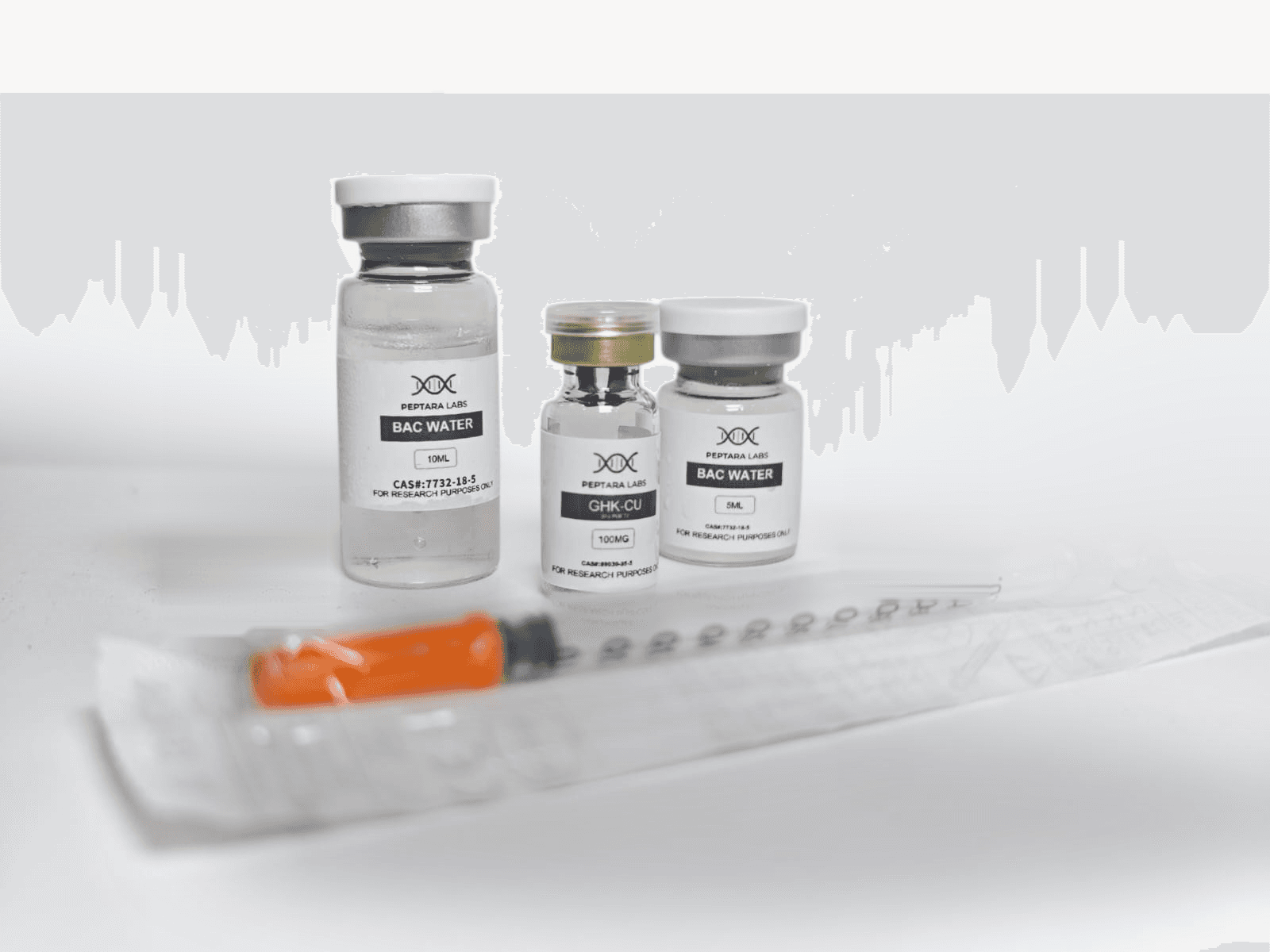
What Comes With Your Order
- Vials and bacteriostatic water
- In every order, with the storage container.
- Syringes and alcohol swabs
- Included in select cities. Everywhere else we send a link to buy both, same day.
- Printed reference and COA
- The reconstitution math and the batch certificate for what shipped.
$374 for 6 vials, $462 below retail.
Phoenix peptide stack: buyer questions
Where can I buy the Phoenix peptide stack?
Peptara Labs sells the Phoenix stack on this page as a single cart line: 6 vials of MOTS-c, BPC-157 and Glutathione for $374. The Phoenix kit ships worldwide, the United States included, in 5 to 10 business days with guaranteed delivery or a full refund. Ships with the published batch certificates. No certificate is published for BPC-157.
How much does the Phoenix stack cost?
$374 for 6 vials, an average of $62.33 a vial. Bought one at a time at catalog retail, the same 6 vials come to $836, so the Phoenix kit is $462 lower. During the Black Friday sale, the Phoenix kit is charged what its 6 vials cost one by one at their own sale prices. Each is rounded down to the dollar, so together they cost less than the kit rate. Nothing is added on top of it, and anything else in the cart is priced on its own terms. MOTS-c, BPC-157 and Glutathione are each also sold on their own product pages, at their own Black Friday prices.
What comes in the Phoenix stack?
2 vials of MOTS-c, 2 vials of BPC-157, 2 vials of Glutathione, in one box with bacteriostatic water, a printed reference with the reconstitution math, and the batch certificate for what shipped. Each of the 6 Phoenix vials holds one compound and is reconstituted and stored on its own.
How can I check the purity of the Phoenix vials?
Match the lot printed on a Phoenix vial to its published certificate on the COA page. For this kit that is: MOTS-c, lot MTS-260414-A, 99.02% HPLC purity; BPC-157, certificate not published; Glutathione, lot GTH-20260607-18, 97.12% HPLC purity. The released Phoenix certificates are issued by an independent third-party lab and published in full.
Why does Phoenix contain two vials of each compound?
The Phoenix kit is defined as three matched pairs: two MOTS-c vials, two BPC-157 vials and two glutathione vials, six in all. That is the fixed composition of the kit as it is sold. It is not a schedule, an amount or a duration, and this page gives none of those.
What is the difference between Phoenix and Lumen?
Both pair a metabolic research compound with BPC-157 and glutathione. Phoenix is built on MOTS-c, a mitochondrial-derived peptide, as three matched pairs. Lumen is built on SLU-PP-332, a synthetic ERR agonist, with one vial of each compound, and adds GHK-Cu.
Is the Phoenix stack for human use?
No. The MOTS-c, BPC-157 and Glutathione vials are sold for research use only, not as an approved therapy, and this page gives no dose, schedule or protocol. No study has tested the Phoenix grouping as a set, so there is no combined result to report, and any decision about a research compound belongs with a qualified clinician.
The stack
Ordering the Phoenix stack
6 vials across 3 compounds, brought together as the Phoenix stack, $462 below their combined catalog retail when the full Phoenix stack is ordered as one line.
Questions about the Phoenix stack, its batch certificates or shipping go to the team on WhatsApp.
Ask a questionKeep reading
The other stacks, the certificates, and the compounds on their own
All research stacks
Phoenix beside the other named stacks, grouped by research area.
Full catalog
The full catalog compound by compound, with pricing and published batch certificates.
Certificates of analysis
Third-party HPLC and identity certificates, the Phoenix lots among them.
The Lumen stack, built on SLU-PP-332
Related to the Phoenix stack.