Matrixyl Peptide for Sale
Published by Peptara Labs · Updated · How we research and check our pages
The Collagen Fragment Pal-KTTKS, Studied in Labs
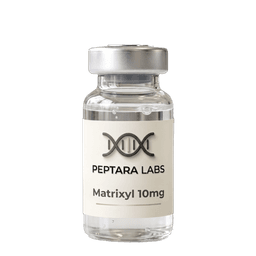
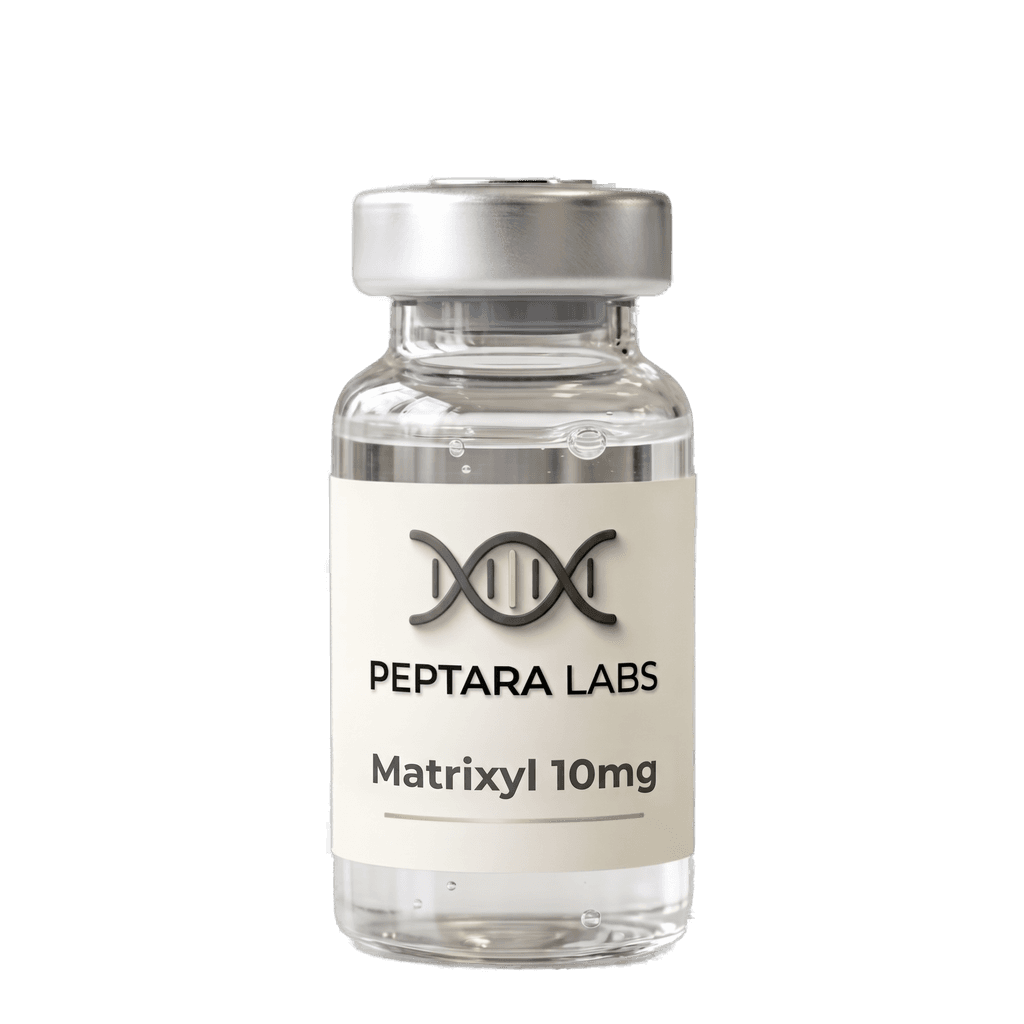
Matrixyl peptide from Peptara Labs (peptaralabs.io) is a 10mg research vial of palmitoyl pentapeptide-4, the collagen fragment Lys-Thr-Thr-Lys-Ser with a fatty acid attached. One vial costs $30 USD, at its pre-sale price: 50% off the regular $60 until October 15, 17:00 UTC. Its batch certificate of analysis is pending, so no purity figure is claimed yet. On pre-order: Ships October 28. It is sold as lyophilized powder for research use only. Matrixyl is a trade name of Sederma.
Pre-sale price, 50% off, ends October 15, 17:00 UTC
Flat $35 tracked shipping10mg per vial
Ships October 28
$30 USD
Was $60
The pre-sale price applies at every quantity. No code or multi-vial pricing is added to it.
Shipping, delivery and certificate status
- Shipping
- Flat $35, tracked worldwide to supported markets
- Delivery
- Ships October 28 · After dispatch: 5 to 10 business days
- Included
- Vial · Batch certificate pending · Order support on WhatsApp
Buyer facts
What is included with Matrixyl from Peptara Labs?
The order is one sealed 10mg vial of lyophilized palmitoyl pentapeptide-4. It is a cosmetic peptide supplied as research material. It differs from both a finished skincare serum and the two-peptide blend sold under the Matrixyl 3000 name. The table below lists the vial size, current price and dispatch date.
| Detail | Peptara Labs Matrixyl (Palmitoyl Pentapeptide-4) (10mg) | Where to check it |
|---|---|---|
| Vial | 10mg of lyophilized palmitoyl pentapeptide-4 in a sealed vial | The order panel above |
| Price | $30 USD, at its pre-sale price: 50% off the regular $60 until October 15, 17:00 UTC | The order panel above |
| Availability | Pre-order. Ships October 28. Delivery windows follow dispatch. | The order panel above |
| Certificate | Batch certificate pending. No purity figure is claimed yet. | Certificates of analysis |
| Identity | Palmitoyl pentapeptide-4, also called Pal-KTTKS | Chemical identity section below |
| Product type | Research vial, rather than a skincare serum | Research use only |
Pre-sale price, 50% off, ends October 15, 17:00 UTC
Share or cite this page
Sources: PubChem CID 9897237, checked October 7, 2026; Errante et al., 2020, Front Chem (PMID 33195061).
Before you buy
What should you check before you buy Matrixyl peptide?
Check the chemical name first. A listing for palmitoyl pentapeptide-4 should refer to Pal-KTTKS, the five amino acid collagen fragment with a palmitic acid chain attached. Matrixyl 3000 holds different peptides, so its research and identity cannot stand in for this molecule.
A batch certificate needs both identity and purity evidence. A mass test checks whether the sample matches the stated molecule. HPLC, a test that separates compounds in a sample, checks purity. Neither the product name nor a reference molecular weight proves what is inside a particular vial.
The certificate for this batch is pending, and there is no test figure or release date to quote. When a report is released, the chemical name and mass identity should agree with palmitoyl pentapeptide-4. Published reports belong on the certificates page. The peptide purity guide explains the general checks.
Sources: PubChem CID 9897237, checked October 7, 2026; Errante et al., 2020, Front Chem (PMID 33195061).
The short answer
What is Matrixyl peptide?
Palmitoyl pentapeptide-4 is a five amino acid peptide written Pal-Lys-Thr-Thr-Lys-Ser, or Pal-KTTKS. The KTTKS part comes from residues 212 to 216 of the end piece of type I procollagen, the precursor of collagen. The fatty acid chain changes the molecule from the plain KTTKS fragment studied in early cell work.
PubChem lists the formula C39H75N7O10, a molecular weight of about 802.1 g/mol and CAS 214047-00-4. Older listings may call it palmitoyl pentapeptide-3. That older name is a synonym of this compound, rather than a separate peptide or a sign that the vial contains only three amino acids.
The attached palmitoyl group was designed to change skin passage and resistance to breakdown. A skin extract study measured greater stability for Pal-KTTKS than for KTTKS, while both still broke down. That is a laboratory finding about two molecules, rather than a claim about a finished skincare product.
Sources: Katayama et al., 1993, J Biol Chem (PMID 8486721); PubChem CID 9897237, checked October 7, 2026; Choi et al., 2014, Biomol Ther (PMID 25143811); Errante et al., 2020, Front Chem (PMID 33195061).
The science
How Matrixyl peptide works in research models
The early cell work tested the plain KTTKS fragment. Researchers measured type I and III collagen and fibronectin made by fibroblasts, the cells that build much of the supporting material around skin cells. The fragment increased those proteins in the cell model. A review places palmitoyl pentapeptide-4 in the signal-peptide group of cosmetic ingredients.
Collagen-fragment signal
The five amino acid KTTKS piece was the smallest active sequence identified in the early fibroblast study.
Matrix measurements
Researchers measured collagen and fibronectin, proteins in the material that surrounds and supports cells.
Changed stability
Hairless mouse skin extracts broke down both KTTKS and Pal-KTTKS, with longer persistence measured for Pal-KTTKS.
Sources: Katayama et al., 1993, J Biol Chem (PMID 8486721); Errante et al., 2020, Front Chem (PMID 33195061); Choi et al., 2014, Biomol Ther (PMID 25143811).
Applications
Common research areas
Fibroblast signaling
Cell studies examined the collagen fragment and the matrix proteins made by fibroblasts.
Cosmetic formula research
Small studies compared creams containing palmitoyl pentapeptide-4 with a plain cream and measured skin images.
Skin passage and stability
Laboratory work compared the plain and palmitoylated fragments in hairless mouse skin models.
Peptide classification
Reviews separate signal peptides from copper carrier peptides and neurotransmitter-inhibitor peptides.
Sources: Katayama et al., 1993, J Biol Chem (PMID 8486721); Robinson et al., 2005, Int J Cosmet Sci (PMID 18492182); Aruan et al., 2023, J Clin Aesthet Dermatol (PMID 36909866); Choi et al., 2014, Biomol Ther (PMID 25143811); Errante et al., 2020, Front Chem (PMID 33195061).
Comparison
How does Matrixyl compare with Argireline and Snap-8?
These names cover different cosmetic peptide groups. A shared place in skin research does not mean the peptides share a target, sequence or evidence. The table separates the molecules before comparing their research.
| Peptide | Sequence and class | What studies examined |
|---|---|---|
| Matrixyl | Pal-KTTKS, five amino acids. Signal peptide. | Collagen-fragment signaling, skin stability and cosmetic formulas. |
| Argireline | Ac-EEMQRR-NH2, six amino acids. Neurotransmitter-inhibitor peptide. | The SNAP-25 protein and the SNARE complex in laboratory models. |
| Snap-8 | Ac-EEMQRRAD-NH2, eight amino acids. Neurotransmitter-inhibitor peptide. | SNARE complex biology and cosmetic formulas containing several ingredients. |
| GHK-Cu | GHK bound to copper. Carrier peptide. | Copper-related cell and matrix research, with a separate evidence record. |
Snap-8 works on a different target; see the Snap-8 peptide page. The comparison explains research classes and does not propose a combination.
Which Matrixyl is which?
| Name | Chemical identity | This vial? |
|---|---|---|
| Matrixyl | Palmitoyl pentapeptide-4, Pal-KTTKS. Formula C39H75N7O10. | Yes, this is the catalog identity. |
| Matrixyl 3000 | Palmitoyl tripeptide-1 plus palmitoyl tetrapeptide-7, also written Pal-GQPR. | No, a blend of different peptides. |
The 3000 name refers to a blend, rather than a stronger version of palmitoyl pentapeptide-4. Evidence for one cannot be transferred to the other just because the trade names overlap. The chemical identity is the clearer way to compare listings.
Sources: Errante et al., 2020, Front Chem (PMID 33195061); PubChem CID 9897237, checked October 7, 2026.
Evidence
What did the Matrixyl studies measure?
The earliest work tested plain KTTKS in cells. Later studies tested Pal-KTTKS in creams. The cards show each model and its limits.
The early cell study
Model: Cultured fibroblasts and parts of the type I procollagen end fragment.
Measured: KTTKS was the smallest fragment that increased type I and III collagen and fibronectin production in the cell model. The material was plain KTTKS.
The split-face moisturizer study
Model: 93 women aged 35 to 55 in a 12-week, double-blind comparison.
Measured: Image analysis compared wrinkles and fine lines for a moisturizer containing Pal-KTTKS and a plain moisturizer. The authors reported a difference. The study tested a finished formula.
The initial cream comparison
Model: 21 Indonesian women in an 8-week study of two peptide creams and a plain cream.
Measured: Skin instruments and photos measured crow's feet. The authors called the work an initial study needing a larger sample, so it leaves substantial uncertainty.
The skin extract study
Model: KTTKS and Pal-KTTKS in hairless mouse skin extracts.
Measured: Researchers measured breakdown. Both fragments broke down quickly, while Pal-KTTKS was more stable. This was laboratory stability evidence rather than a measured body half-life.
A cream contains other ingredients, and its formula affects what researchers measure. Those studies do not test this lyophilized vial. The cell findings also need to stay tied to the cell model and to the exact fragment the researchers examined.
Sources: Katayama et al., 1993, J Biol Chem (PMID 8486721); Robinson et al., 2005, Int J Cosmet Sci (PMID 18492182); Aruan et al., 2023, J Clin Aesthet Dermatol (PMID 36909866); Choi et al., 2014, Biomol Ther (PMID 25143811).
Evidence limits
What is not known about Matrixyl peptide?
The cited studies do not test the vial sold here. The cosmetic studies are small, and some of the research is linked to ingredient makers. They do not establish a long-term safety record for separate research material or show how a different formula would behave.
Skin extract stability is not a body half-life. The laboratory comparison does not provide a measured half-life for this vial, and no such number is stated here. Likewise, a cosmetic study reporting tolerability cannot prove safety in a setting that it did not examine.
The batch certificate is another separate question. Literature can describe the reference molecule, but it cannot establish the identity or purity of a sale batch. That requires the pending batch report, rather than a number borrowed from a paper or another product.
Sources: Robinson et al., 2005, Int J Cosmet Sci (PMID 18492182); Aruan et al., 2023, J Clin Aesthet Dermatol (PMID 36909866); Choi et al., 2014, Biomol Ther (PMID 25143811); Errante et al., 2020, Front Chem (PMID 33195061).
Research timeline
How the Matrixyl record was built
Research timeline
How the Matrixyl record was built
Research timeline
How the Matrixyl record was built
1993: the collagen fragment
Researchers identified KTTKS as the smallest active part of the procollagen fragment in a cell study.
2005: a cosmetic study
A double-blind split-face study compared a moisturizer containing Pal-KTTKS with a plain moisturizer.
2014: skin stability
Researchers compared KTTKS and Pal-KTTKS breakdown in hairless mouse skin extracts.
2023: a small comparison
An initial study compared two peptide creams with a plain cream using images and skin measurements.
Your Kit
What's Included
$30 USD Was $60 USD
Flat $35 tracked shipping · Ships October 28 · Batch certificate pending · Order support on WhatsApp
Pre-sale price, 50% off, ends October 15, 17:00 UTC
Matrixyl (Palmitoyl Pentapeptide-4) 10mg Vial
10mg per vial
Batch certificate
Batch certificate pending
Delivery
Ships October 28 · After dispatch: 5 to 10 business days
Order support
Contact our team about your order or batch certificate.
Your order includes the vial. Batch certificate pending. Delivery details are confirmed with your order. Order support is available on WhatsApp.
Your Research Order
Matrixyl (Palmitoyl Pentapeptide-4) research vial, batch certificate status, delivery and order support.
Batch certificate
Batch certificate pending
Delivery
Ships October 28 · After dispatch: 5 to 10 business days
Order support
Contact our team about your order or batch certificate.
Research and citations
Sources for this research summary
- Katayama et al., 1993, J Biol Chem (PMID 8486721). The KTTKS sequence and extracellular matrix production in cultured cells. Read source
- Robinson et al., 2005, Int J Cosmet Sci (PMID 18492182). Pal-KTTKS in a double-blind split-face moisturizer study. DOI 10.1111/j.1467-2494.2005.00261.x. Read source
- Aruan et al., 2023, J Clin Aesthet Dermatol (PMID 36909866). An initial comparison of cosmetic peptide creams and a plain cream. Read source
- Choi et al., 2014, Biomol Ther (PMID 25143811). KTTKS and Pal-KTTKS stability in hairless mouse skin extracts. DOI 10.4062/biomolther.2014.053. Read source
- Errante et al., 2020, Front Chem (PMID 33195061). Cosmetic peptide classes and the separate Matrixyl and Matrixyl 3000 identities. DOI 10.3389/fchem.2020.572923. Read source
- PubChem CID 9897237, checked October 7, 2026. Palmitoyl pentapeptide-4 identity, formula, molecular weight and synonyms. Read source
Explore more
Related guides, comparisons, and compounds studied for related endpoints
Snap-8 peptide
A SNAP-25 mimic from a different group of cosmetic peptides.
GHK-Cu peptide
A copper carrier peptide with its own research record.
Best peptides for skin
How skin peptide research differs by molecule and evidence.
Copper peptides
The carrier class, separate from collagen-fragment signal peptides.
Peptide glossary
Plain definitions of peptide and research terms.
Certificates of analysis
Published certificates and pending batch status.
Questions
Buying Matrixyl: FAQ
Where can I buy Matrixyl peptide?
Peptara Labs sells Matrixyl (Palmitoyl Pentapeptide-4) as a 10mg sealed research vial through this page. The material is palmitoyl pentapeptide-4, rather than the separate Matrixyl 3000 blend. It is sold for research use only.
How much does Matrixyl peptide cost?
One 10mg research vial costs $30 USD, at its pre-sale price: 50% off the regular $60 until October 15, 17:00 UTC. The pre-sale price stands alone, with no extra code or quantity discount.
When does Matrixyl ship?
Ships October 28. This is the dispatch start, rather than an arrival date. Delivery windows begin after dispatch, and delivery details are confirmed with the order.
Is there a published batch certificate?
Batch certificate pending. No purity figure is claimed yet. The certificate will be listed on the certificates page once released; there is no certificate publication date to quote.
What comes with a Matrixyl order?
One sealed 10mg vial of lyophilized palmitoyl pentapeptide-4. Your order includes the vial. Batch certificate pending. Delivery details are confirmed with your order. Order support is available on WhatsApp.
Is this a Matrixyl skincare serum?
No. This is a research vial of lyophilized palmitoyl pentapeptide-4. Published cosmetic formula studies are described for education and do not establish a finding for this vial.
Matrixyl research FAQ
What is Matrixyl peptide?
It is palmitoyl pentapeptide-4: five amino acids, Lys-Thr-Thr-Lys-Ser, from a type I procollagen fragment with a palmitic acid chain attached. Matrixyl is the trade name associated with this cosmetic ingredient.
What does Matrixyl do, according to research?
A cell study found that the KTTKS fragment increased collagen and fibronectin made by fibroblasts. Small cosmetic studies measured wrinkles and fine lines in formulas containing Pal-KTTKS. This vial was not tested in those studies.
Is Matrixyl the same as Matrixyl 3000?
No. Matrixyl is palmitoyl pentapeptide-4. Matrixyl 3000 is a blend of palmitoyl tripeptide-1 and palmitoyl tetrapeptide-7. This vial contains palmitoyl pentapeptide-4 only.
How is Matrixyl different from Argireline?
They belong to different cosmetic peptide groups. Palmitoyl pentapeptide-4 is a signal peptide studied for collagen signaling. Argireline belongs to the neurotransmitter-inhibitor group, which is studied for the SNARE complex. Snap-8 belongs to that group too.
Does Matrixyl work?
The research includes cell studies and small cosmetic formula studies. Some studies were linked to ingredient makers, and the evidence does not establish what this vial does. A change measured in a cream study cannot be assumed for a different material.
Is Matrixyl peptide approved as a medicine?
Palmitoyl pentapeptide-4 is a cosmetic ingredient, rather than an approved medicine. Peptara Labs sells this vial for research use only.
Sources: Katayama et al., 1993, J Biol Chem (PMID 8486721); Robinson et al., 2005, Int J Cosmet Sci (PMID 18492182); Aruan et al., 2023, J Clin Aesthet Dermatol (PMID 36909866); Errante et al., 2020, Front Chem (PMID 33195061); PubChem CID 9897237, checked October 7, 2026.
Order Matrixyl (Palmitoyl Pentapeptide-4), 10mg vial
Order Matrixyl (Palmitoyl Pentapeptide-4). Ships October 28 · After dispatch: 5 to 10 business days. Order support on WhatsApp.
Order NowBatch certificate pending · Ships October 28 · Order support on WhatsApp