Safety / First-time use
Is It Safe? GLP-1 Peptides for First-Time Users, Evidence Reviewed
Published by Peptara Labs · Updated · How we research and check our pages
9-minute read
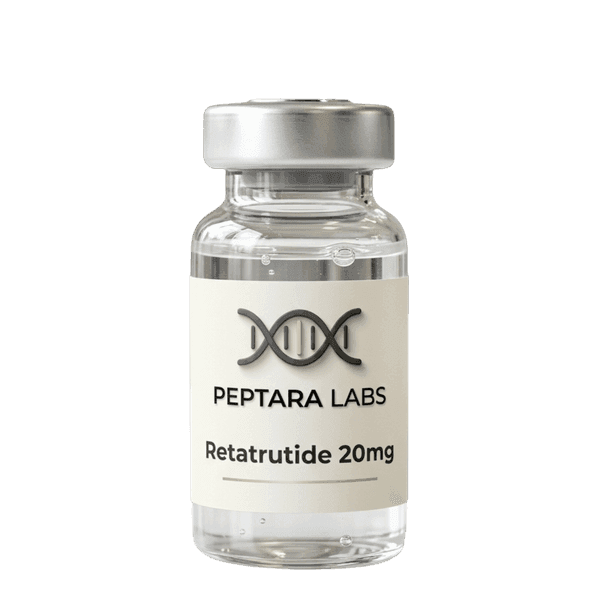
Is it safe using GLP-1 peptides for first-time users? It is one of the most common questions we get, and the honest answer takes longer than a yes or a no. This question comes up often. Sometimes from someone who's already ordered the vial and is staring at it on their kitchen counter. Sometimes from someone who's been reading Reddit threads at 2am and is more confused than when they started. The honest answer takes longer than a yes or a no, so this guide gives the plain-language version.
What "safe" actually means with these peptides
Safety isn't a single number. It's a balance of risks and benefits over time, and it depends on who you are, what dose you're using, and what else is going on in your body.
The GLP-1 class of peptides (semaglutide, tirzepatide, retatrutide, and a few others) has been studied in tens of thousands of participants in clinical trials. The SURPASS trials on tirzepatide enrolled over 13,000 people across multiple studies (Frias et al., 2021). The STEP trials on semaglutide enrolled close to 5,000 (Wilding et al., 2021). These are not new, untested compounds. They have years of safety data behind them.
What's different about how most people are buying them now is that they're sourcing through research-grade channels rather than a pharmacy. That changes the conversation, but it doesn't change the underlying pharmacology. What differs between sources is purity, sterility, and content accuracy, which is why batch-level testing matters.
What the research actually shows about side effects
In clinical trials, the most common side effects of GLP-1 peptides are predictable and usually mild. Nausea sits at the top of the list, affecting somewhere between 20 and 45 percent of participants depending on the drug and dose. Constipation, fatigue, and reduced appetite (which is, of course, the point) round out the top complaints.
The side effects most people fear (pancreatitis, thyroid cancer, kidney damage) are rare. In the SURPASS-2 trial, pancreatitis occurred in less than half a percent of tirzepatide users,. Thyroid C-cell tumors have shown up in rodent studies but have not been confirmed as a human risk in long-term trials. Kidney function tends to stay stable in healthy users, though dehydration from severe nausea can stress the kidneys temporarily.
What this means in practice: the scary outcomes are real, but they're uncommon, and most of them have warning signs you'd notice before they became serious. In the trials, the far more commonly reported experience was gastrointestinal: nausea and reduced appetite, most often early in treatment.
Who shouldn't be using these peptides
This part is non-negotiable. Some people should not start a GLP-1 protocol without direct supervision from a qualified medical provider, and ideally not at all without one.
If you have a personal or family history of medullary thyroid carcinoma or multiple endocrine neoplasia type 2 (MEN2), GLP-1 agonists are contraindicated. If you've had pancreatitis in the past, the risk of recurrence is higher and the calculation changes. If you have severe gastroparesis (delayed stomach emptying), these peptides will make it worse. If you're pregnant, breastfeeding, or trying to conceive, this isn't the time. If you have type 1 diabetes, the conversation is different and needs a specialist.
These aren't theoretical concerns. They're the populations where the published data shows real risk, and they're the groups that should wait or to find a different approach.
What's actually happening in your body
When you inject a GLP-1 peptide, you're mimicking a hormone your gut already makes. Your body produces GLP-1 in small amounts every time you eat. It tells your pancreas to release insulin, slows down how fast your stomach empties, and signals your brain that you're full.

The synthetic versions do the same thing, just at a much higher concentration and for much longer. Tirzepatide goes a step further and also activates the GIP receptor, which is why it tends to be more effective for weight loss than semaglutide alone. Retatrutide adds a third receptor, glucagon, which is part of why it shows even stronger weight loss in trials (Jastreboff et al., 2023).
The reason most people feel nauseous in the first two weeks is that slowed gastric emptying. Food sits in your stomach longer than your body is used to. Your brain interprets that as fullness, sometimes as nausea. In the trials, nausea was most common early in treatment and tended to ease over time.
The risks the research isn't conclusive on yet
The evidence is clearest when stated plainly about what is not known. These peptides have been around in clinical use for over a decade for diabetes, but the high-dose, long-term use for weight management is newer. There is strong five-year data. There is not strong twenty-year data.
The questions that are still being studied include whether long-term use changes how your body regulates appetite when you stop, whether muscle loss during rapid weight loss has lasting metabolic consequences, and whether there are subtle effects on bone density, mood, or fertility that haven't shown up yet in trial data. The early signals on most of these are reassuring, but reassuring is not the same as settled.
If someone tells you these peptides are completely safe with no unknowns, they're either selling you something or they haven't read the literature. The honest version is: the known risks are low, the known benefits are substantial, and the unknowns are real but not alarming. That's the balance you're weighing.
What the education team emphasizes
The first-time education conversation usually goes something like this.
The education team emphasizes that the early weeks are when the trials reported the most gastrointestinal side effects. The team also emphasizes that muscle loss during fast weight loss and dehydration when appetite drops are the two issues people most often underestimate.
The education team does not suggest doses. Dosing decisions for any individual belong with a licensed clinician who knows their history.
We emphasize that if something feels seriously wrong, severe abdominal pain that doesn't pass, persistent vomiting, a racing heart that won't settle, they need to stop the injections and see someone in person. Not message a forum. Not search WebMD. See a real provider. The vast majority of participants never have that experience, but the ones who do need to act fast.
And the key point is this: the peptide is a tool. It's not a personality. The trials measured changes in body weight and blood sugar, but a peptide does not address the reasons people eat when they are not hungry. Users who do well long-term treat the protocol as a runway, not a destination.
When to talk to someone
Before starting, the prudent step is a conversation with a qualified medical provider who knows your medical history. If you have thyroid history, pancreatitis, gastroparesis, type 1 diabetes, pregnancy plans, or other medications, that conversation is mandatory, not optional. If you're on insulin or sulfonylureas for diabetes, the interaction matters and the dosing needs to be coordinated by licensed care.
If you're starting a Peptara Labs protocol, our team can share educational references and handling guidance on WhatsApp. The team is not a replacement for a qualified medical provider, but can help route medical questions to licensed care instead of guesswork.
If you experience severe abdominal pain, persistent vomiting that prevents you from keeping fluids down, signs of an allergic reaction, or any symptom that genuinely worries you, don't wait. Stop the injections and find a provider the same day.
Sources
Frias JP, Davies MJ, Rosenstock J, et al. Tirzepatide versus Semaglutide Once Weekly in Participants with Type 2 Diabetes. N Engl J Med. 2021;385(6):503-515.
Wilding JPH, Batterham RL, Calanna S, et al. Once-Weekly Semaglutide in Adults with Overweight or Obesity. N Engl J Med. 2021;384(11):989-1002.
Jastreboff AM, Kaplan LM, Frías JP, et al. Triple-Hormone-Receptor Agonist Retatrutide for Obesity. N Engl J Med. 2023;389(6):514-526.
This article is for educational purposes. It does not replace personal medical evaluation. Individual responses to peptides vary based on factors a qualified medical provider should assess in person. If you're considering starting a peptide protocol, consult a qualified medical provider about your specific situation.